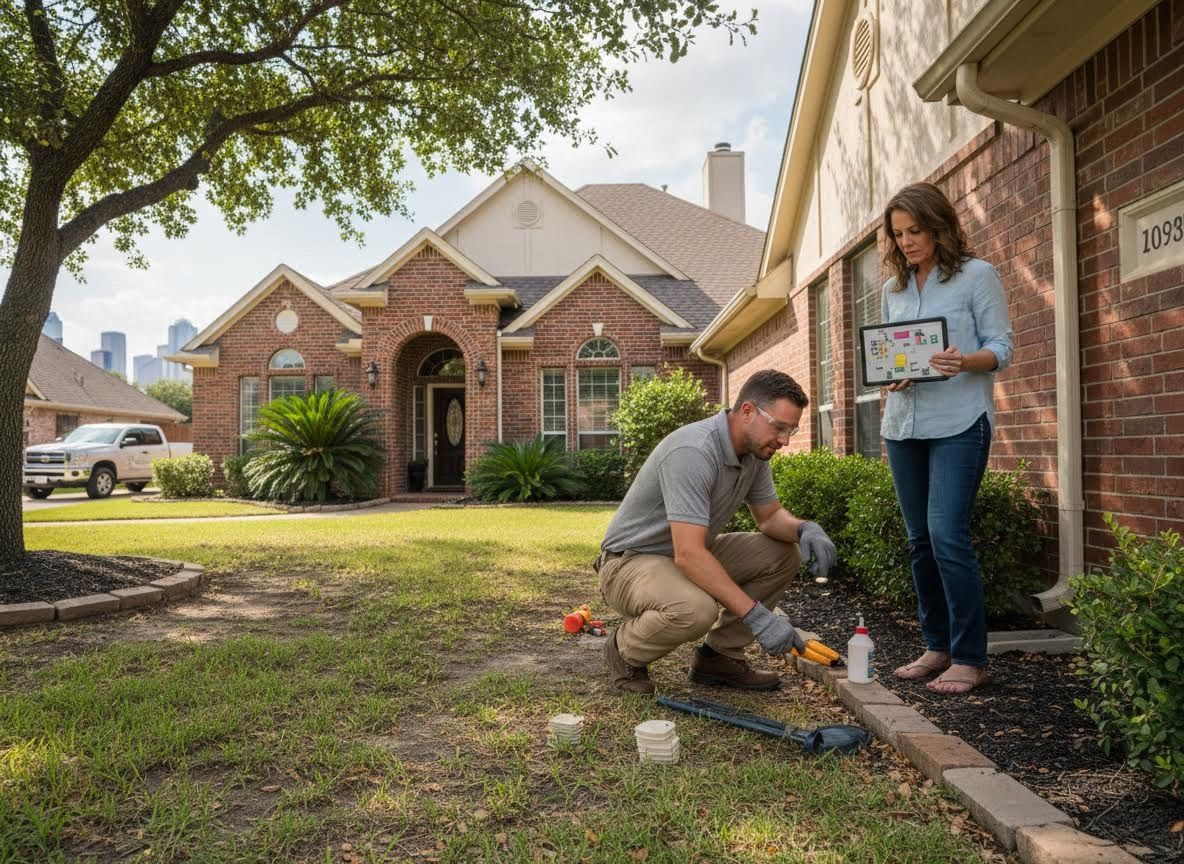
Navigating the costs associated with termite control in the Dallas-Fort Worth area can seem daunting, but understanding the various factors that influence pricing is crucial for any homeowner. At Coleman Pest Control, we believe in transparent and honest communication, helping our clients understand what goes into an effective termite management plan. The total cost is rarely a one-size-fits-all figure, as it depends on several specific elements related to the infestation and your property.
Type and Severity of Termite Infestation
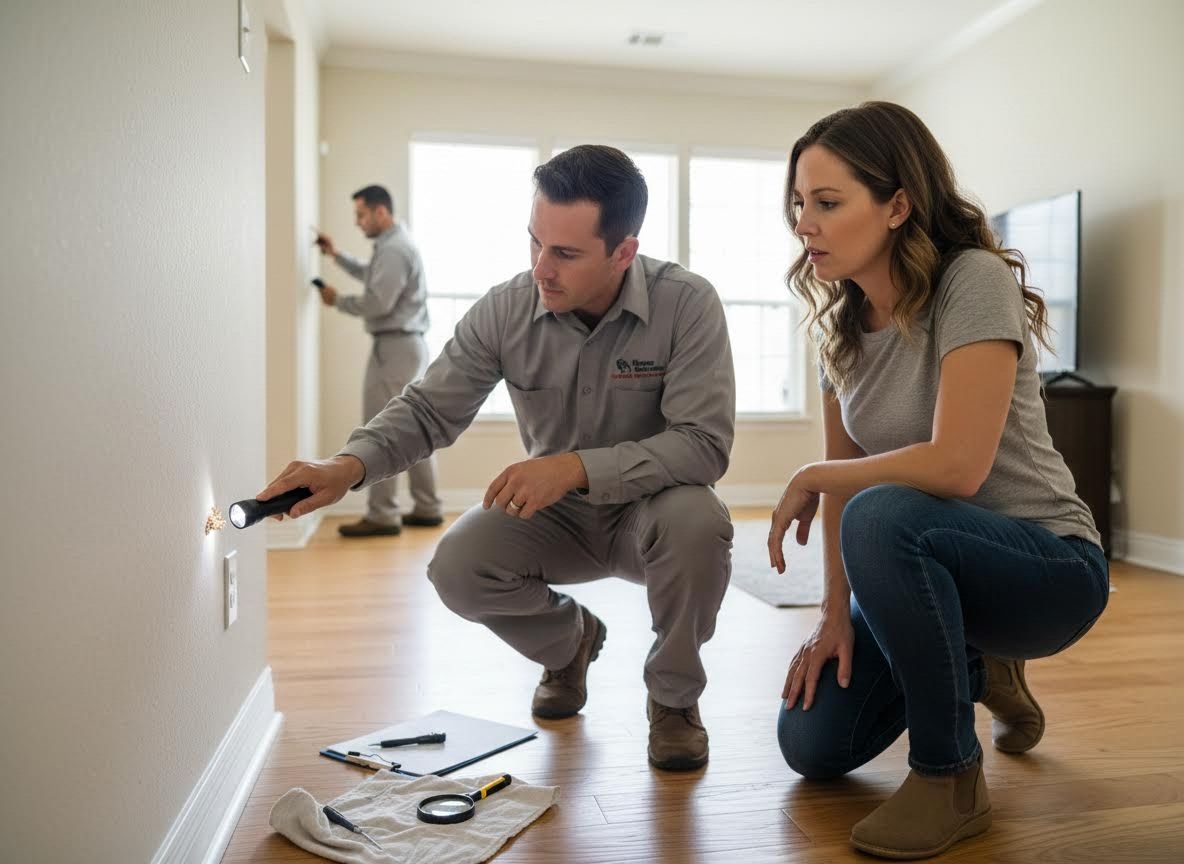
The species of termite and the extent of their presence are primary cost determinants. Subterranean termites, common in DFW, often require different treatment approaches than drywood termites, which are less prevalent but can still be found. A minor, localized infestation might be manageable with targeted treatments, whereas a widespread, established colony affecting multiple areas of your property will necessitate more extensive and therefore more costly measures. A thorough inspection is essential to accurately diagnose the type and severity, directly impacting the recommended solution and its price.
Chosen Treatment Method
Various termite treatment methods exist, each with its own advantages and cost implications. Liquid barrier treatments, which involve applying termiticide around and under the foundation, are a common and highly effective method for subterranean termites, creating a protective zone. Baiting systems offer a different approach, drawing termites to stations containing a slow-acting insecticide, which they then carry back to the colony. For severe drywood termite issues, fumigation might be considered, a comprehensive but more involved and costly process. The most appropriate method is selected based on the termite species, infestation location, and structural considerations, influencing the overall expense.
Property Size and Construction
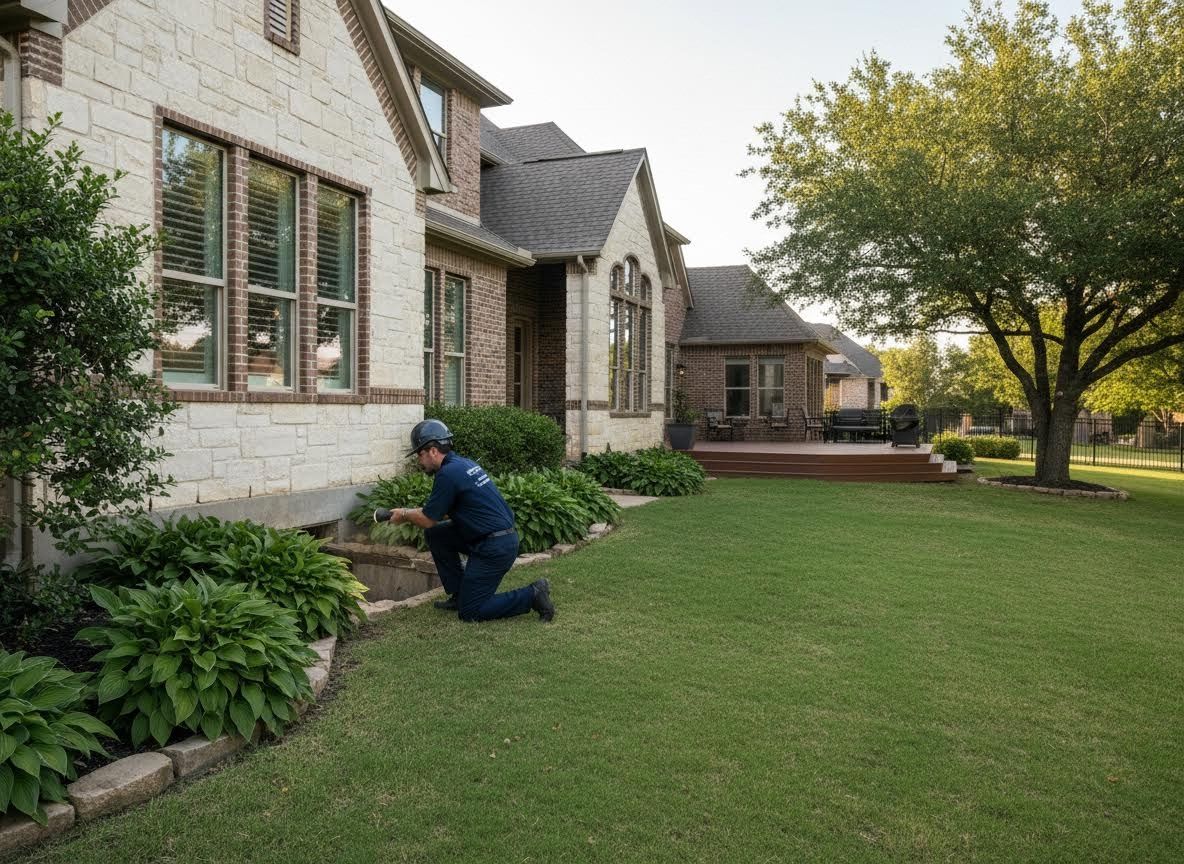
The physical characteristics of your home play a significant role in determining termite control costs. Larger homes naturally require more materials and labor to treat thoroughly. Furthermore, the type of foundation (e.g., slab, pier, and beam with crawl space) affects the complexity and accessibility of the treatment area. Properties with challenging access points, multiple additions, or dense landscaping close to the foundation can also increase the time and effort required for treatment, consequently impacting the final cost.
Warranty and Follow-Up Services
When investing in termite control, the longevity of the treatment and available guarantees are important considerations. Many reputable pest control providers offer warranties or guarantees that cover re-treatment if termites return within a specified period. These assurances provide peace of mind and are often factored into the initial cost or offered as an optional addition. Some companies also provide ongoing preventative maintenance plans, which can involve annual inspections and proactive measures to guard against future infestations, representing a long-term investment in your home's protection.
Understanding the factors influencing termite control costs empowers you to make informed decisions for your home's protection in the Dallas-Fort Worth area. A professional evaluation is the most reliable way to receive an accurate assessment and a tailored treatment plan. To gain a clearer understanding of the specific solutions and investment required for your property's termite protection, consider scheduling a comprehensive inspection with a local expert.