
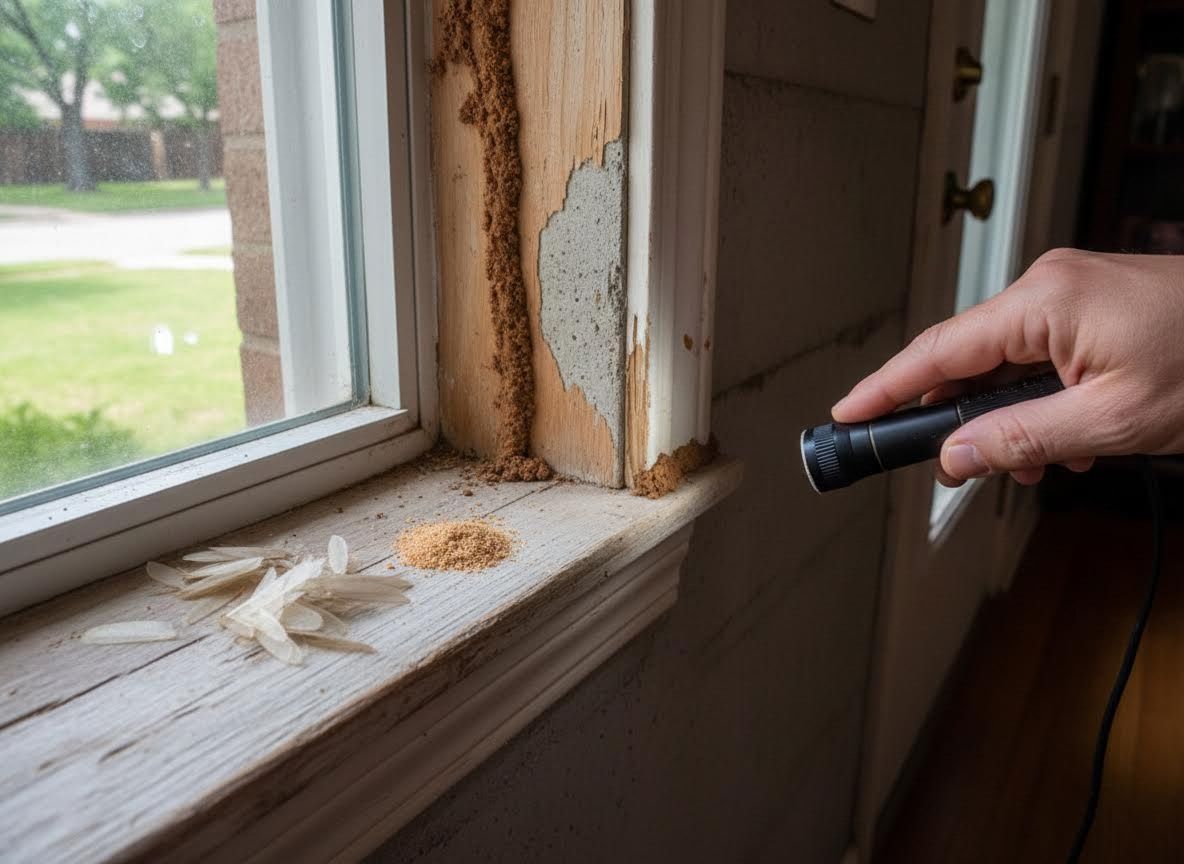
Protecting your North Dallas home from pests is a top priority for any homeowner, and few threats are as insidious as termites. These silent destroyers can cause significant structural damage before you even realize they're present. Understanding the common signs of termite activity is crucial for early detection, which can save you considerable time, stress, and expense. At Coleman Pest Control, we want to equip homeowners with the knowledge to identify potential infestations promptly.
Spotting Termite Swarmers and Discarded Wings
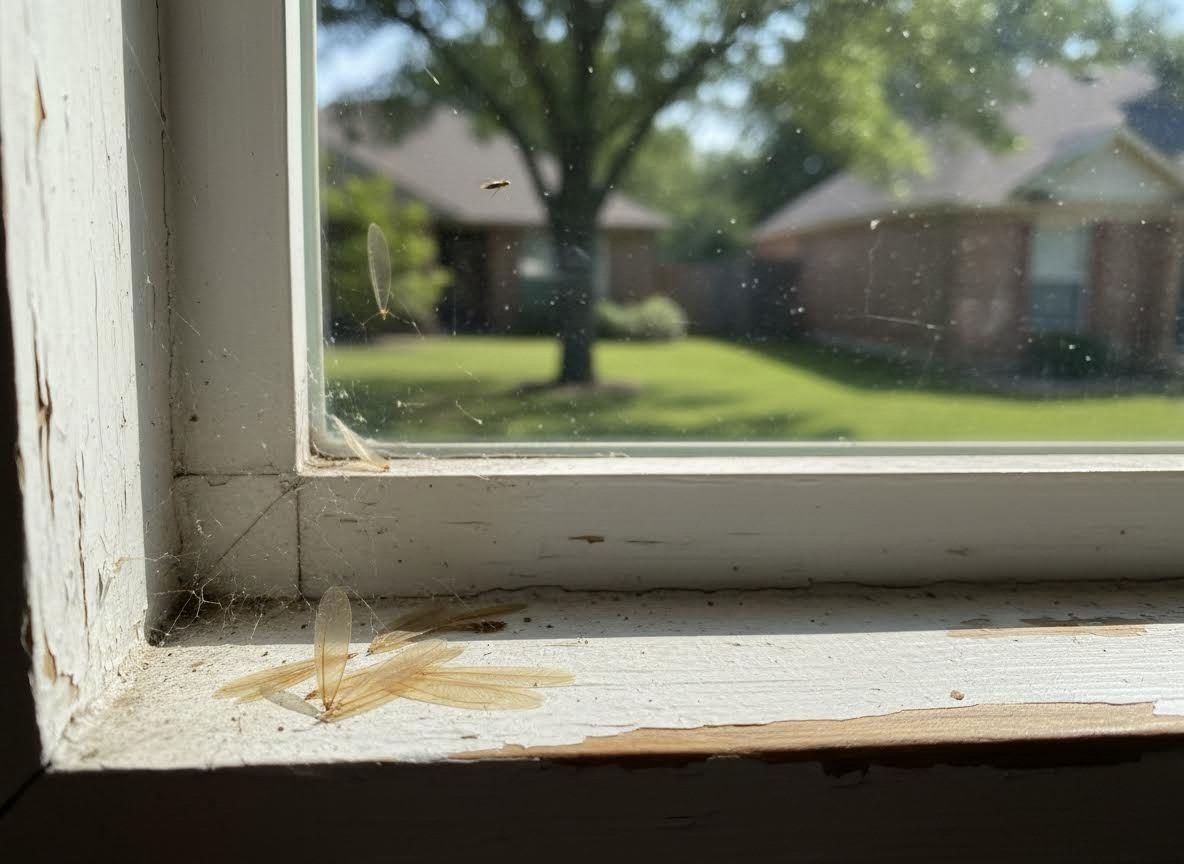
One of the most noticeable indicators of a termite infestation is the presence of "swarmers" or their discarded wings. Swarmers are winged reproductive termites that emerge from established colonies, typically in the spring or after heavy rainfall, to mate and establish new colonies. You might see these small, flying insects, often mistaken for ants, around windows, doors, or light fixtures. More commonly, you'll find their transparent, delicate wings, which they shed after swarming, scattered on windowsills, floors, or in spider webs. Even if you don't see the termites themselves, the presence of these wings is a strong signal that a colony is active nearby or within your home.
Discovering Mud Tubes
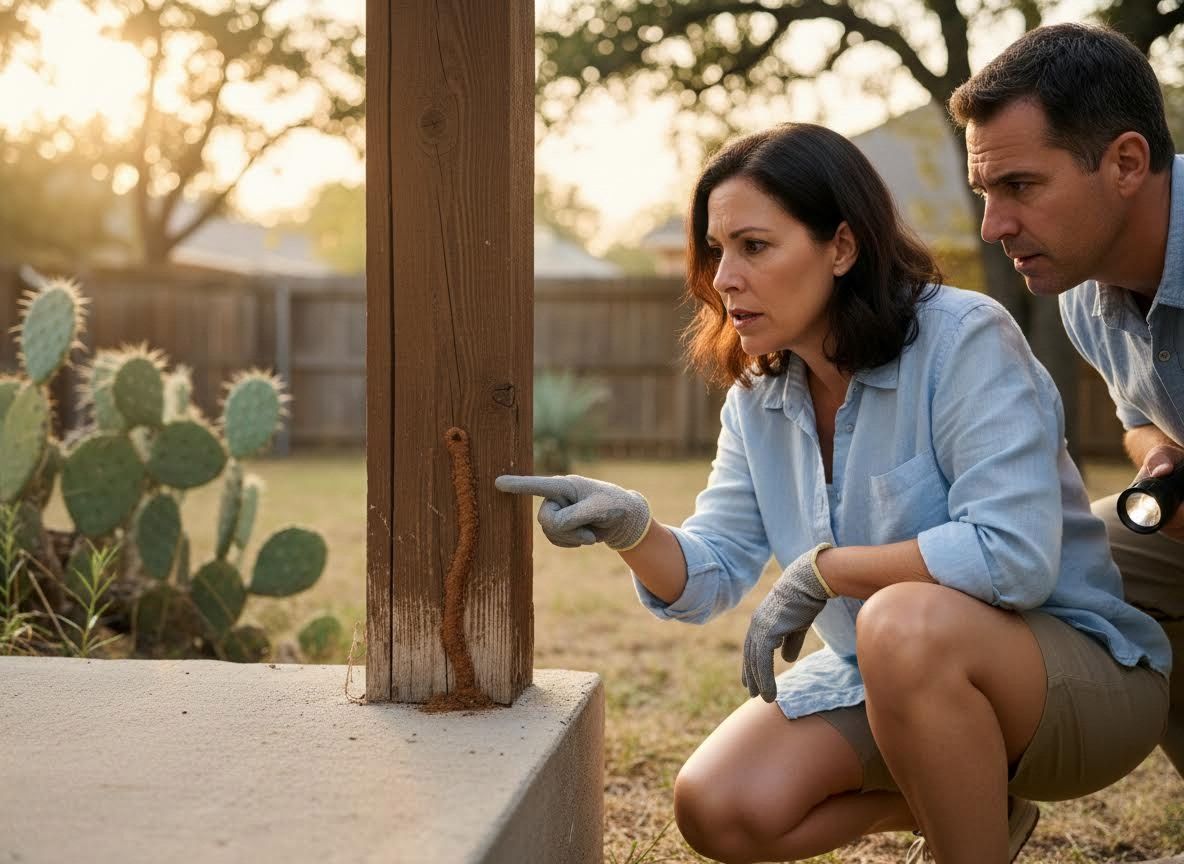
Subterranean termites, common in the North Dallas area, build distinctive mud tubes to travel between their underground colonies and their food source (your home's wood). These protective tunnels, about the width of a pencil, shield termites from open air, predators, and dehydration. You can often find them on your home's foundation, in crawl spaces, along exterior walls, or connecting the ground to wooden structures. Inspecting accessible areas of your foundation, both inside and out, can reveal these tell-tale signs of termite activity.
Uncovering Damaged Wood
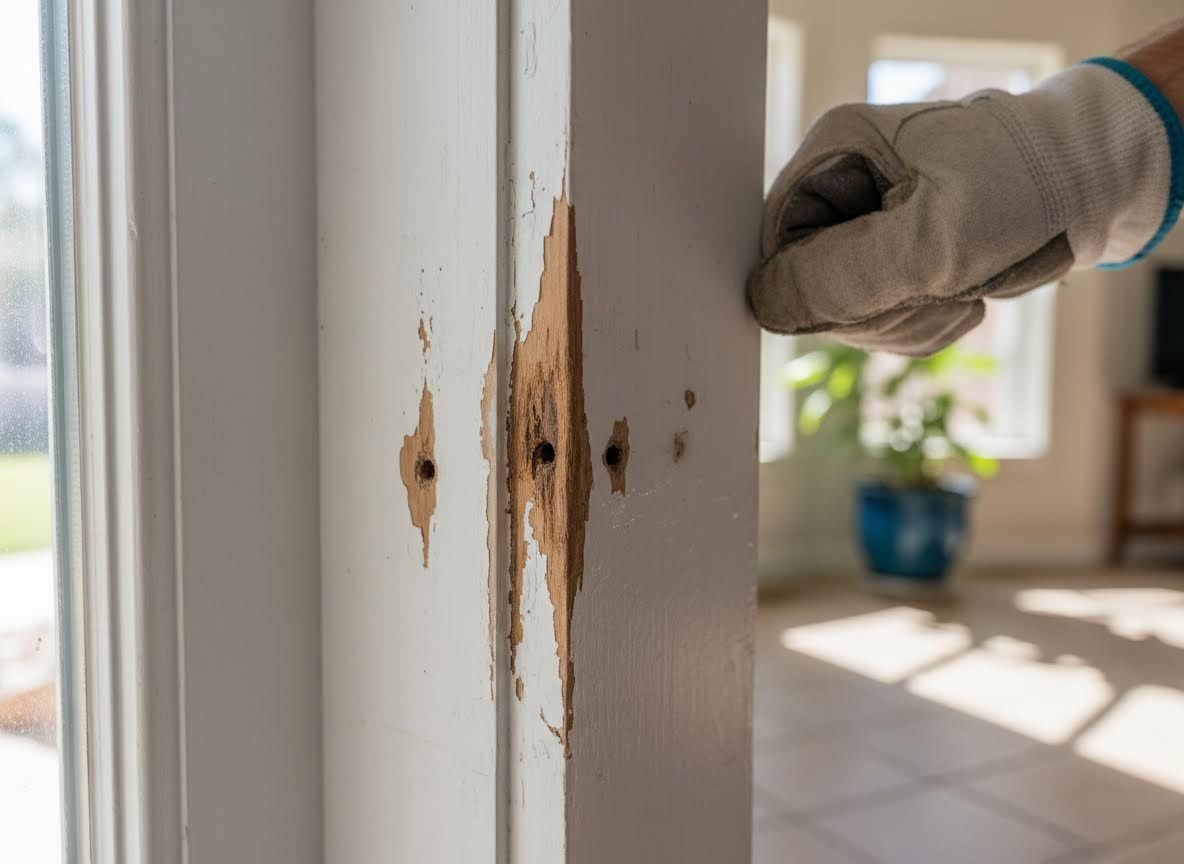
Termites primarily feed on cellulose, which is found in wood, paper, and fabrics. Unlike other wood-destroying pests, termites eat wood from the inside out, often leaving a thin veneer of wood or paint untouched on the surface. This makes detection challenging until the damage is extensive. Look for wood that sounds hollow when tapped, or observe subtle changes like blistering, darkening, or sagging wood. In severe cases, you might even see maze-like patterns within exposed wood or discover tiny holes where termites have surfaced.
Noticing Termite Droppings (Frass)
While subterranean termites use mud tubes, drywood termites, another type that can affect homes, leave behind small, pellet-like droppings known as "frass." Unlike subterranean termites, drywood termites do not require contact with the soil and can infest isolated wooden structures. Their frass is often uniform in size and color, resembling sawdust or coffee grounds, and can accumulate near infested wood, windowsills, or baseboards. The presence of these tiny, gritty pellets indicates an active drywood termite colony above.
Protecting Your Home from Termites
Vigilance against termites is paramount for every North Dallas homeowner. Recognizing these key signs early can prevent an infestation from escalating into costly structural damage. Should you notice any of these indicators, prompt investigation is crucial to protect your property. For more detailed insights into effective termite prevention and treatment strategies, reach out to us!