
Termites pose a significant threat to properties across the Dallas-Fort Worth (DFW) metroplex, causing extensive damage often before homeowners even realize there's an issue. Understanding the various treatment options available is crucial for protecting your investment. At Coleman Pest Control, we believe in empowering our customers with knowledge to make informed decisions about pest management. This post will clarify the primary termite treatment methods employed in the DFW area.
The Persistent Termite Threat in DFW
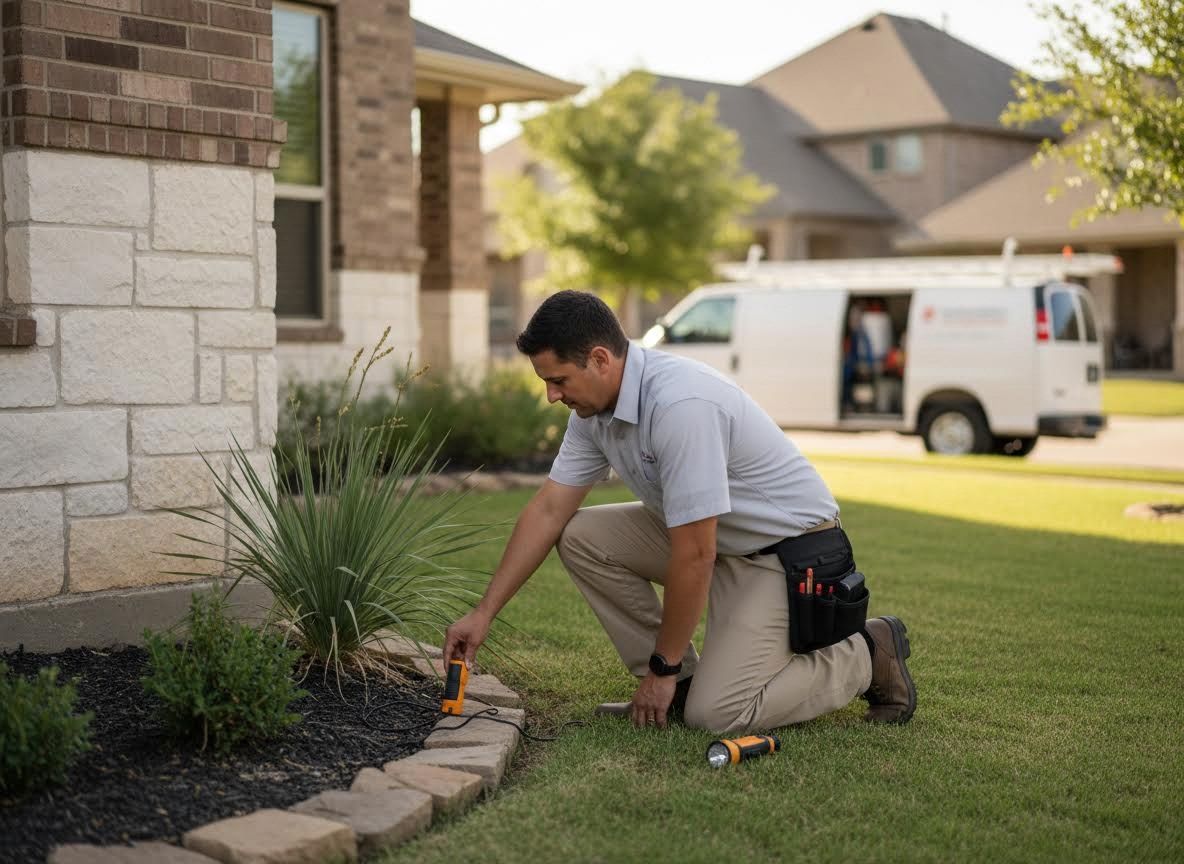
The warm, often humid climate of the Dallas-Fort Worth area creates an ideal environment for subterranean termites, the most common and destructive termite species found here. These pests are notoriously silent destroyers, working 24/7 to feed on cellulose materials like wood, paper, and fabric, often within the hidden structures of a home. Their activity can compromise the structural integrity of a property over time, leading to costly repairs. Due to their elusive nature, early detection is challenging, making proactive protection and expert intervention essential.
Conventional Liquid Barrier Treatments
One of the most established and widely used methods for subterranean termite control is the conventional liquid barrier treatment. This process involves applying a liquid termiticide to the soil around the perimeter of your home's foundation, creating a continuous treated zone. Depending on the property's construction, this may require trenching, rodding, or drilling into slabs and foundation walls to ensure thorough coverage. The termiticide acts as a protective barrier, either repelling termites or, more commonly with newer products, allowing them to come into contact with and transfer the non-repellent chemical back to the colony, leading to its eventual elimination.
Advanced Termite Baiting Systems
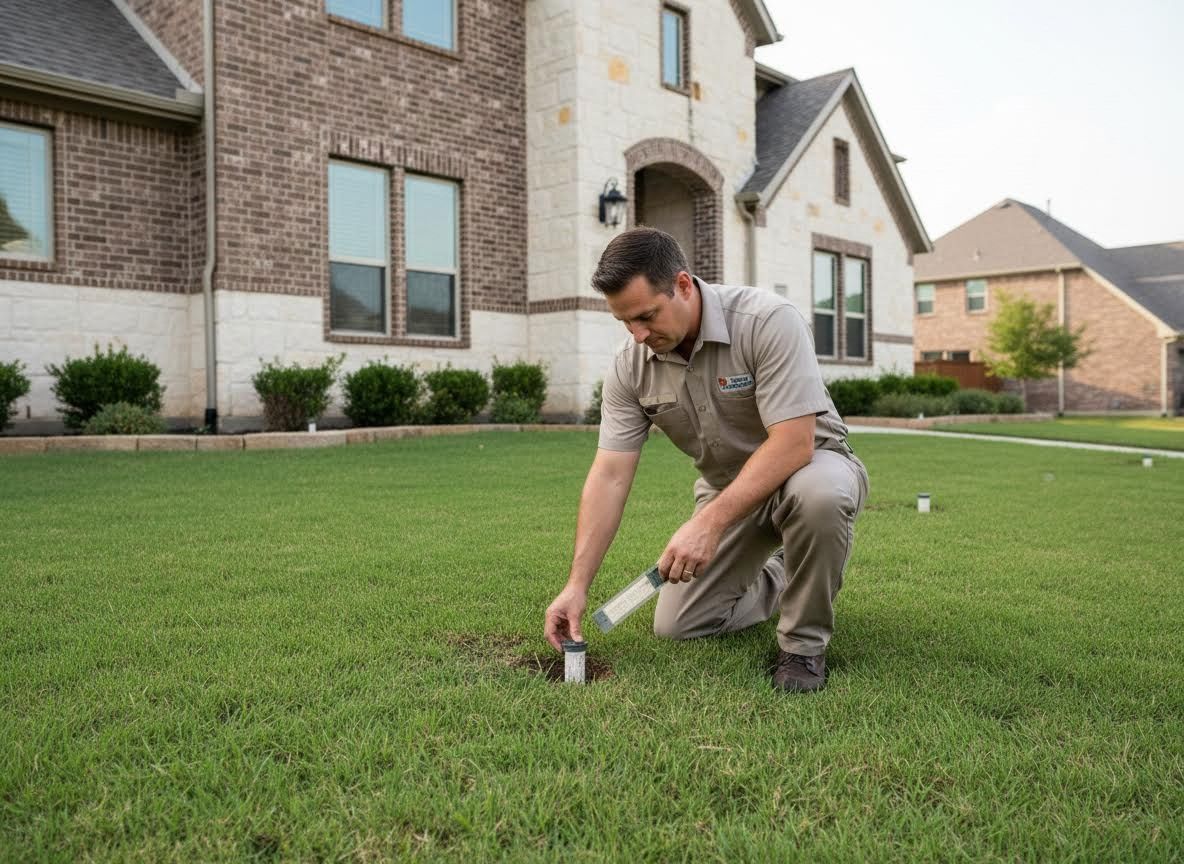
Termite baiting systems offer a sophisticated and less invasive approach to termite control. These systems involve strategically placing discreet bait stations in the soil around the property at regular intervals. Initially, these stations contain untreated cellulose monitoring devices. Once termite activity is detected in a station, the monitoring device is replaced with a slow-acting termiticide bait. Termites feed on this bait, share it with their colony members, including the queen, ultimately leading to the decline and elimination of the entire colony. Baiting systems provide continuous protection and can be particularly effective for properties with complex foundations or where liquid applications might be challenging.
Selecting the Optimal Treatment Strategy
Choosing the most effective termite treatment for your property depends on several factors, including the specific species of termite identified, the extent and location of the infestation, the construction type of your home, and your personal preferences regarding treatment methods. While liquid barriers offer immediate protection and long-term residual effects, baiting systems provide a targeted, colony-eliminating approach with minimal disruption to your landscape. A professional inspection is paramount to accurately diagnose the termite threat and recommend the most suitable and comprehensive treatment plan tailored to your property's unique needs.
Protecting your DFW property from termites requires a clear understanding of the available treatment options and a proactive approach. Whether through traditional liquid barriers or modern baiting systems, effective solutions exist to safeguard your home. To determine the most suitable strategy for your unique situation and ensure lasting protection, reach out to Coleman Pest Control for a comprehensive assessment and expert guidance.