
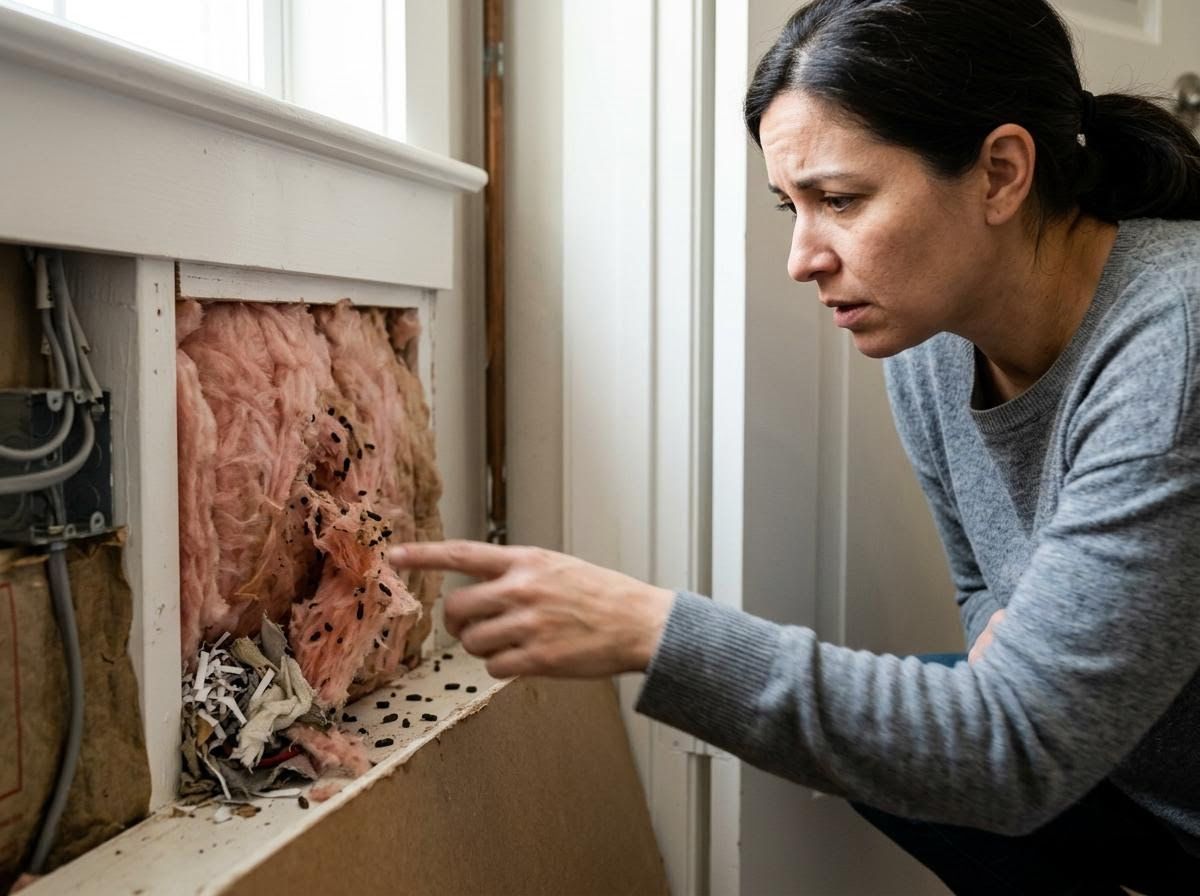
As autumn’s crisp air gives way to the first true cold snaps in North Texas, many homeowners find themselves facing an unwelcome seasonal challenge: rodents seeking refuge indoors. These sudden drops in temperature act as a natural alarm clock for mice and rats, signaling an urgent need to find warmth, shelter, and food sources away from the harsh outdoor elements. Understanding this predictable behavior is the first step in protecting your home, and here at Coleman Pest Control, we believe in empowering our community with the knowledge needed to stay ahead of these persistent invaders.
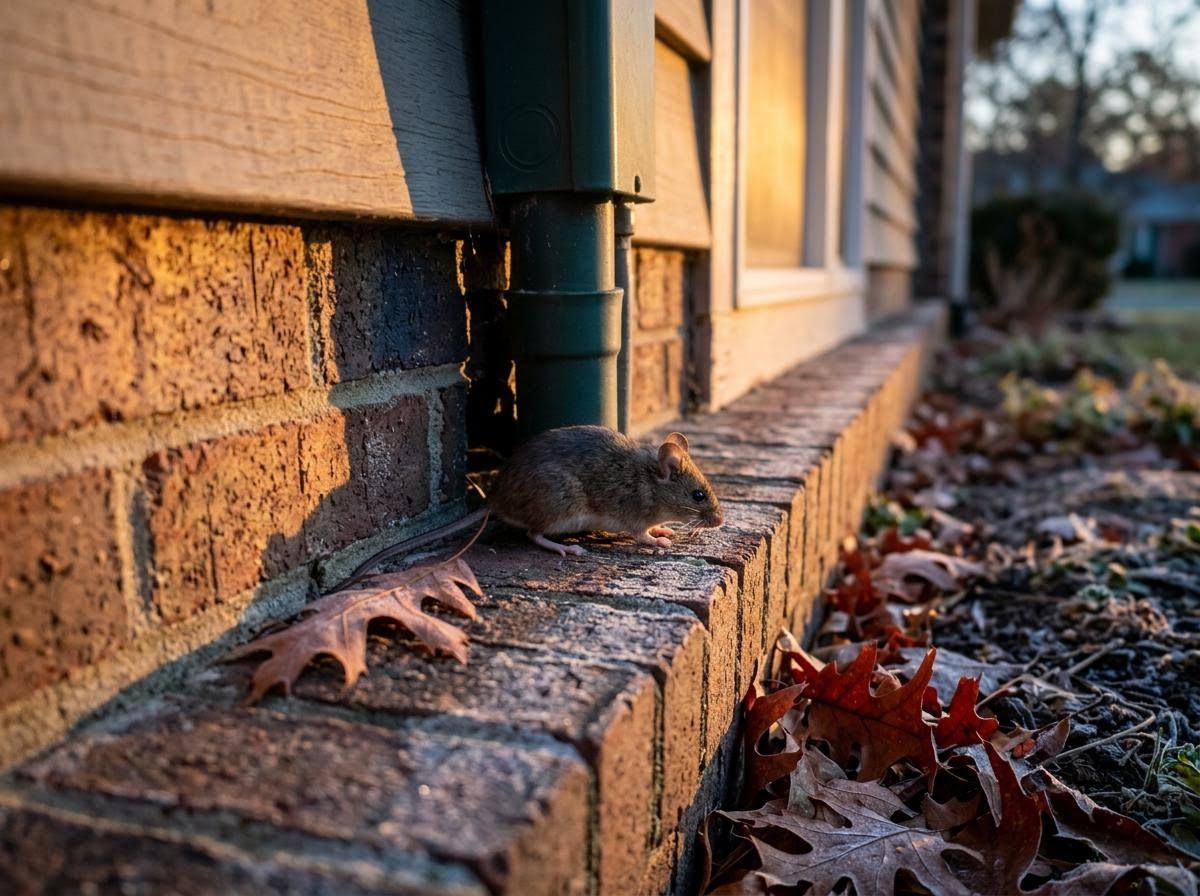
The Instinctive Drive for Warmth and Shelter
Rodents, like many other wildlife species, are highly attuned to environmental changes. As temperatures plummet during an autumn cold snap, their survival instincts kick in. Their small bodies are not well-equipped to endure freezing temperatures, and outdoor food and water sources can become scarce or inaccessible. Homes, with their consistent warmth, readily available food pantries, and abundant hiding spots, become irresistible sanctuaries. They are not merely looking for a temporary reprieve but often for a place to establish a new, thriving colony for the duration of the colder months.
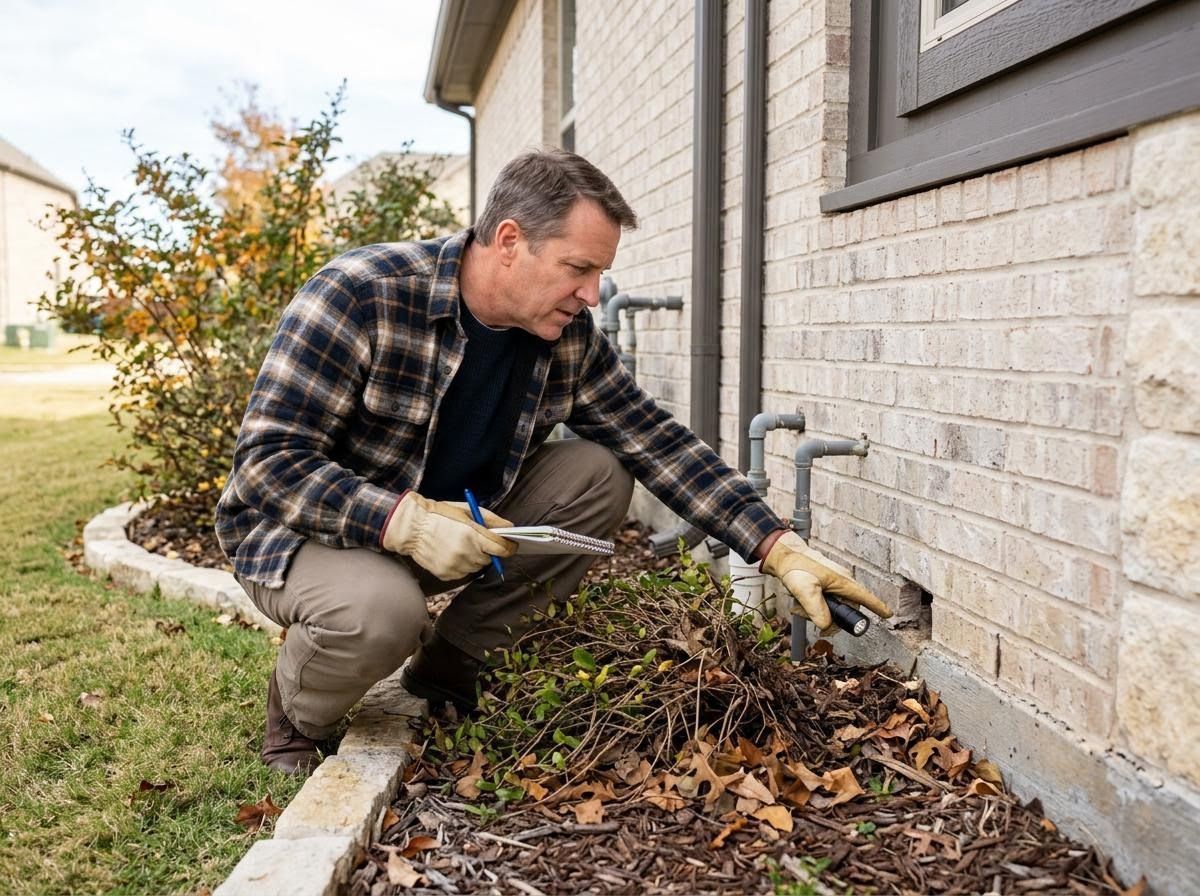
Identifying Common Entry Points
Rodents are incredibly adept at squeezing through surprisingly small openings. A mouse can fit through a crack as tiny as a dime, and a rat can navigate an opening the size of a quarter. Common entry points often include gaps around utility lines entering the home (pipes, electrical conduits), unsealed vents, loose mortar in foundations, damaged screens, openings around doors and windows, and even through garage door seals. Overhanging tree branches can also provide a "bridge" to your roofline, allowing access to attics or compromised fascias. A thorough inspection of your home's exterior is crucial to identifying these vulnerable spots.
The Dangers and Damage Rodents Can Inflict
Beyond the immediate discomfort of having uninvited guests, rodents pose significant risks to your property and health. They are notorious for chewing through electrical wires, which can create fire hazards and costly repairs. They also gnaw on wooden structures, insulation, and even plastic pipes, leading to structural damage. Health-wise, rodents can transmit various diseases, including Hantavirus, Salmonella, and leptospirosis, through their droppings, urine, and saliva. Their presence can also exacerbate allergies and introduce other pests like fleas and ticks into your living space.
As the North Texas weather continues its seasonal shift, understanding the motivations behind winter rodent invasions is key to preventing them. By being proactive and addressing potential entry points and favorable conditions, you can significantly reduce your risk. If you suspect rodent activity or wish to discuss preventative measures, consider exploring resources on effective pest proofing and monitoring solutions to keep your home safe and pest-free throughout the colder months.